Ever wondered what happens if someone tries to take part of your land for a new road, pipeline, or utility project? In Texas, you’re not left in the dark. The Texas Landowners Bill of Rights lays out exactly what you can expect if the government or a private company with special powers wants a piece of your property. In this guide, you’ll learn what the law requires, what your rights are, and what steps you can take if you face condemnation.
Whether you own a house in the city or ranchland in the country, understanding the Texas Landowners Bill of Rights can make a huge difference if eminent domain comes knocking.
What Is the Texas Landowners Bill Of Rights?
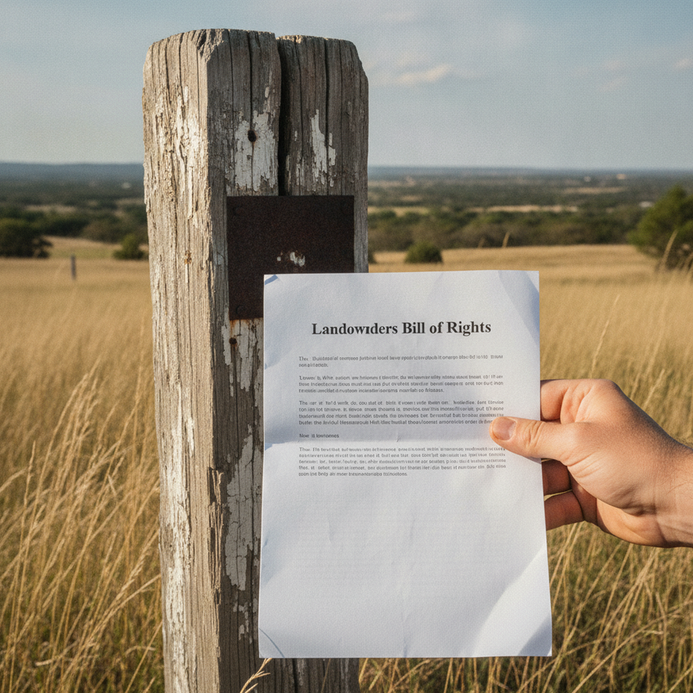
The Texas Landowners Bill of Rights is a document given to property owners when the government or certain private companies want to take land for public use through a process called eminent domain. This bill isn’t just a suggestion. It’s required by law whenever condemnation is being considered. The goal is to make sure you know exactly what your rights are before anything happens to your land.
Eminent domain means the government, or a company acting with government approval, can take private property for public use if they pay a fair price. But it’s not a free-for-all. The Texas Landowners Bill of Rights spells out the steps that must happen, the protections you have, and what you can do if you don’t agree.
Why Does Eminent Domain Happen in Texas?
Let’s get practical. Eminent domain in Texas usually comes up when land is needed for things like highways, pipelines, schools, or water projects. Maybe there’s a new road planned through your pasture, or a pipeline company needs a right of way across your acreage. These projects can help communities, but they also put landowners in a tough spot.
Some common reasons for condemnation include:
- Expanding highways or building new roads
- Installing oil, gas, or water pipelines
- Building schools, parks, or public buildings
- Creating flood control systems or reservoirs
- Laying electric transmission lines
If you’re a Texas landowner, especially with large tracts or working farmland, you’re more likely to face these situations. That’s why it’s so important to know your rights before you get a letter or visit from a government agency or company.
Key Protections in the Texas Landowners Bill Of Rights
The Texas Landowners Bill of Rights covers several basic protections. Here are the main things you’ll find inside:
Notice and Information Requirements
Before any land can be taken, you must receive a written notice that includes the actual Texas Landowners Bill of Rights. This isn’t optional. The notice must explain why your land is needed, what project is planned, and who is asking for it. You’ll also get contact information for the agency or company involved.
The Right to Fair Compensation
You have the right to be paid just compensation for any property taken. This means the amount you’d likely get if you sold your land on the open market, not a lowball offer. The government, or whoever is taking the land, must get an independent appraisal and share it with you. If you think the offer is too low, you can get your own appraisal and negotiate.
The Right to a Hearing and Due Process
If you don’t agree to sell, you have the right to challenge the taking in court. There’s a legal process called a condemnation proceeding. You’ll have a chance to present your case, bring evidence, and even have a jury decide if the taking is allowed and what you should be paid. You don’t have to accept the first offer or back down just because someone says you should.
The Right to Refuse Voluntary Sales
A common question is, can you refuse eminent domain in Texas? You can always refuse a voluntary sale. The agency or company must then follow the formal condemnation process. While you can’t ultimately block a lawful eminent domain taking meant for public use, you do have the right to negotiate, demand fair compensation, and use the courts to challenge the process.
The Eminent Domain Process in Texas: Step-by-Step
Understanding the process helps you know what to expect and what actions you can take. Here’s how things usually unfold after you receive the Texas Landowners Bill of Rights:
- You get a written notice, including the Texas Landowners Bill of Rights and a basic explanation of the project.
- The condemning authority (government or company) makes a written offer to buy your land, based on an independent appraisal.
- You have at least 14 days to consider the offer. You can seek your own appraisal and negotiate.
- If you don’t voluntarily sell, a formal condemnation petition is filed in court.
- A judge appoints three local property owners as “special commissioners” to hear both sides and decide what’s fair compensation.
- If either side disagrees with the commissioners’ decision, they can appeal to a jury trial.
Throughout this process, you have certain rights:
- The right to get a copy of the appraisal.
- The right to hire your own experts, like appraisers or attorneys.
- The right to be represented and heard in every step.
This process protects you from being pushed into a quick or unfair sale. It also sets clear requirements for the agency or company trying to take your land.
Landowners Bill of Rights Texas Requirement: What Must Be Provided?
By Texas law, the landowners bill of rights must be provided to every property owner facing condemnation. This isn’t just a courtesy. It’s a legal requirement. If the condemning authority doesn’t give you this document, the process can’t legally move forward.
The actual document, created by the Texas Attorney General, covers:
- Your right to receive fair notice and a written offer
- Your right to fair compensation
- Your right to a hearing and to challenge the taking
- The steps and timeline for the condemnation process
- Explanation of what “public use” means
- Contact info for state resources if you have questions
If you haven’t received this document and someone claims you’re facing eminent domain, ask for it in writing before doing anything else.
Can You Refuse Eminent Domain in Texas?
This is the big question for many landowners. Can you say no when someone wants your land for a public project? The answer depends.
You can refuse to sell your property voluntarily. If you don’t want to accept the initial offer, you’re allowed to negotiate, get more information, or simply say no. The condemning authority can’t force you to sign anything or accept their price without going through legal steps.
If the project is truly for public use and follows the law, the government or company can still move forward through the formal condemnation process. You have the right to challenge the taking, argue that your land isn’t needed, or that the price offered is too low. Sometimes, these challenges succeed, especially if the project isn’t really for public use or the process wasn’t followed correctly.
Even if you can’t stop the taking, you can still fight for better compensation and make sure your rights are respected. Many Texas property owners have successfully negotiated higher payments or better terms by understanding the process and standing their ground.
What to Do If You Receive a Notice: Practical Steps
If you get a letter or visit about eminent domain, don’t panic. Here’s what you should do next:
- Read the Texas Landowners Bill of Rights carefully. Make sure you understand each point.
- Don’t sign anything right away or feel pressured to accept the first offer.
- Get your own appraisal or opinion on your property’s value.
- Consider talking to a professional familiar with Texas condemnation law. Even if you’re not hiring an attorney, expert advice can help.
- Keep copies of all documents, offers, and communication.
- Stay involved in the process. Attend any hearings or meetings that affect your property.
If you have unique features on your land, like water rights, livestock access, or special improvements, make sure these are included in any discussion of value. Sometimes these details get overlooked in the initial offer.
Common Questions About Texas Property Owner Rights in Condemnation
What is just compensation?
Just compensation means the fair market value of your property at the time it’s taken. It’s what a willing buyer would pay, not what the condemning authority hopes to spend. You can negotiate if you think the offer is too low.
What if I disagree with the reason for taking my land?
You can challenge the public use claim in court. Sometimes, projects are challenged and stopped if they aren’t truly for public benefit.
Can the whole process be stopped?
It’s rare, but possible. If laws aren’t followed or the reason isn’t legitimate, the condemnation can be blocked. Most cases focus on getting fair compensation.
Do I have to pay for an attorney or appraisal myself?
Usually, yes. However, sometimes extra costs can be included in your compensation if the court finds the agency acted in bad faith or didn’t follow the rules.
Conclusion
Knowing your rights as a Texas landowner is key if you ever face eminent domain or condemnation. The Texas Landowners Bill of Rights isn’t just a formality. It’s your roadmap to fair treatment and compensation. If you want to protect your property or just understand the process, start by reading your rights and getting informed. Contact us to learn more.