Ever wondered if the government can damage your property and simply walk away? Texas landowners often worry about losing property value after a road project, pipeline, or flood control effort. If you think the government took or damaged your land without paying, you need to know about Texas inverse condemnation claims and governmental immunity. This guide breaks down what these claims mean, why immunity matters, and what steps you can take if you believe your rights have been violated.
What Is Inverse Condemnation?
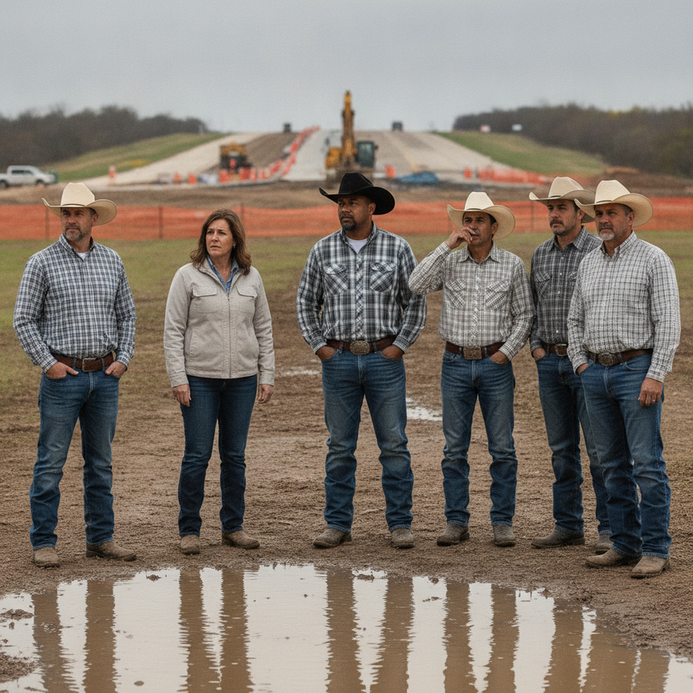
Inverse condemnation is a legal term, but the idea is simple. If the government takes, damages, or limits the use of your property without following the normal eminent domain process, you may have an inverse condemnation claim. Usually, eminent domain means the government must pay you fair market value before taking your land. But sometimes, they build a road, change drainage, or block access, and you lose value or use overnight, without any offer or warning. That’s when inverse condemnation comes in.
Here’s how it works in practice. Let’s say your land sits next to a new state highway project. The construction changes how water drains, and now your field floods every time it rains. Or maybe a city expands a road and suddenly trucks can’t reach your business. If the government caused the problem and didn’t pay for the damage, you may have an inverse condemnation claim.
The reason these claims exist is simple: the Texas Constitution promises that the government can’t take or damage private property for public use without paying for it. So even if the government never formally filed an eminent domain case, if their actions hurt your land, you have rights.
Governmental Immunity in Texas: What Does It Really Mean?
Governmental immunity is a rule that protects government agencies from being sued in many cases. Think of it as a legal shield. Without special permission, you generally can’t sue the state, county, or city for damages.
But there’s an important exception. The Texas Constitution says the government can’t take or damage private property for public use without paying for it. This means that when it comes to Texas inverse condemnation claims and governmental immunity, the courts have carved out a path for property owners. If your property is taken or damaged by a government action, you have the right to seek compensation, even if the government claims immunity.
This exception is crucial. It’s what allows landowners to challenge government actions that hurt their property. Otherwise, immunity would create a one-sided system where the government could act without accountability. Texas courts have made it clear that property rights are protected, even when the government tries to avoid responsibility.
When Can You Bring a Texas Inverse Condemnation Claim?
Not every inconvenience counts as a taking. To bring a successful claim, certain things have to be true. Here’s what usually matters:
- There must be a government action, not just a private company or neighbor. For example, a city widening a road or a county installing new drainage.
- The action must directly impact your property, like causing repeated flooding, blocking access, or lowering your land’s value. The impact can be physical, like water damage, or economic, like hurting your business.
- The damage needs to be more than temporary or minor. Courts look for real, lasting effects. A puddle that dries up in a day probably isn’t enough, but a pasture ruined by repeated flooding is a different story.
Let’s walk through a few examples:
- Imagine a new highway reroutes stormwater, and your pasture floods every time it rains. If this happens regularly and hurts your land’s value, you may have a claim.
- Maybe a city project adds a median to a road, blocking trucks from entering your business property. If you can’t get deliveries or customers can’t reach you, that loss of access could support a claim.
- Or, a county installs a drainage ditch and the water seeps onto your property, destroying crops. If the damage is ongoing and not just a one-time issue, courts may see this as a taking.
It’s important to remember that inconvenience or annoyance alone isn’t enough. To succeed, you’ll need to show the government’s actions had a serious, lasting impact on your property.
Step-by-Step: How Texas Inverse Condemnation Claims Work
Worried about what to do next? Here’s how the process usually goes:
- Document the damage. Take photos, videos, and keep records of what changed. Note the dates, weather events, and how the government’s action affected your daily use of the land. If you get notice of a new project or see construction starting, keep those documents too.
- Check if the government admits to the action. Sometimes, you’ll find public notices or city council minutes that mention the work. Look for maps, permits, or even news stories about the project. This can help link the damage to government activity.
- File a claim with the right government agency. In Texas, you often need to give official notice of your claim before you can go to court. This step can be confusing, so it’s smart to check requirements or get legal advice.
- If the agency doesn’t pay or denies responsibility, you can file a lawsuit for inverse condemnation. This is when you ask the court to decide if your rights were violated. The court will review your evidence and decide if the government should pay.
If your claim is successful, you could receive payment for lost property value, costs to repair the damage, or even the full value of the affected land. Sometimes, the court appoints a panel of property owners in your county to decide how much you’re owed. The process can take time, but many landowners win fair compensation this way.
It’s also worth knowing that you don’t have to go it alone. Many property owners join with neighbors who are affected by the same project. Grouping claims can make your case stronger and reduce costs. And if you’re not sure where to start, there are attorneys who focus on Texas inverse condemnation claims and governmental immunity cases.
Common Myths About Governmental Immunity and Property Rights
You might’ve heard that you can’t sue the government, or that only direct takings count. Here are a few myths and the real story:
- Myth: If the government didn’t take my whole property, I can’t claim anything.
Fact: Partial takings, access issues, or damage can still qualify. Even if only part of your land is affected, or if you lose access, you could have a claim. - Myth: Flooding is just an act of nature.
Fact: If a government project caused or worsened it, you may have a claim. For example, if a new drainage system sends water your way, that’s not just bad luck, it can be the basis for compensation. - Myth: Suing the government never works.
Fact: Texas law protects property owners and courts regularly hear these cases. In fact, courts have awarded compensation to landowners across Texas, from rural ranches to urban businesses. - Myth: Only large-scale projects matter.
Fact: Even small local projects, like new sidewalks or drainage ditches, can trigger claims if they harm your property.
Understanding these truths is key to protecting your property rights in Texas. If you hear advice that sounds discouraging or absolute, check the facts, Texas law is often on your side.
Real-World Examples: When Government Actions Trigger Claims
Let’s look at a few situations where Texas inverse condemnation claims and governmental immunity come into play:
- Repeated Flooding: A new levee or drainage system channels water onto a rancher’s land, ruining crops and pastures. In one case, a landowner near Houston saw his hay fields underwater for weeks after a county project changed the water flow. The courts found that the repeated flooding wasn’t just bad weather, it was a direct result of government action.
- Loss of Access: A road expansion blocks a farm’s only driveway, making it impossible for trucks to deliver supplies. A family-owned farm lost its main entrance after a city widened the road and added a median. With no way for delivery trucks to enter, the business lost revenue. The owners filed an inverse condemnation claim and won compensation for the lost value.
- Utility Projects: A power line or pipeline is installed underground, damaging irrigation systems or livestock crossings. In West Texas, a rancher discovered that a new utility easement cut through his cattle’s main water source. The construction destroyed fencing and made parts of the property unusable. After documenting the damage and loss of use, he received payment through an inverse condemnation case.
- Urban Redevelopment: Sometimes it’s not just rural landowners affected. In cities, redevelopment projects can limit parking, block alley access, or cause basement flooding. If these impacts are severe and ongoing, city property owners have the same rights to claim compensation.
These aren’t just big city problems. Rural landowners, farmers, and ranchers are often hit hardest, but anyone whose property is harmed by a government action has options. The key is connecting the dots between the government project and your damages, and then taking steps to protect your rights.
How to Protect Yourself and Your Property
If you think you have a claim, don’t wait. Here’s what you can do to protect your interests and put yourself in the best position for compensation:
- Keep detailed records of what changed and how it affects you. Write down when you first noticed problems, what happened, and how things have gotten worse over time. Save emails, letters, and any paperwork from government agencies.
- Talk with neighbors to see if others are impacted. Sometimes you’ll discover a pattern, like multiple properties flooding after the same project. Group claims can carry more weight and share the costs of experts or legal help.