What Is Texas Inverse Condemnation?
Ever wondered what happens if the government damages your property without actually taking it? That’s where Texas inverse condemnation comes in. Inverse condemnation is a legal term for situations where the government, or anyone with government-like powers, impacts your property in a way that takes away its value or use, without following the usual process of eminent domain. This means you, the landowner, have to step up and claim compensation, instead of the government coming to you first.
In Texas, inverse condemnation happens more often than you might expect. Sometimes, the government builds new roads, changes water drainage, or puts up utility lines, and these actions can have serious effects on nearby properties. If your land is affected by construction, flooding, or other public projects, understanding Texas inverse condemnation is key. You’ll learn what it means, when it applies, how to spot your rights, and what steps you can take if you think your property has been impacted. Knowing your rights can make the difference between being left with the bill or getting the compensation you deserve.
When Does Inverse Condemnation Happen in Texas?
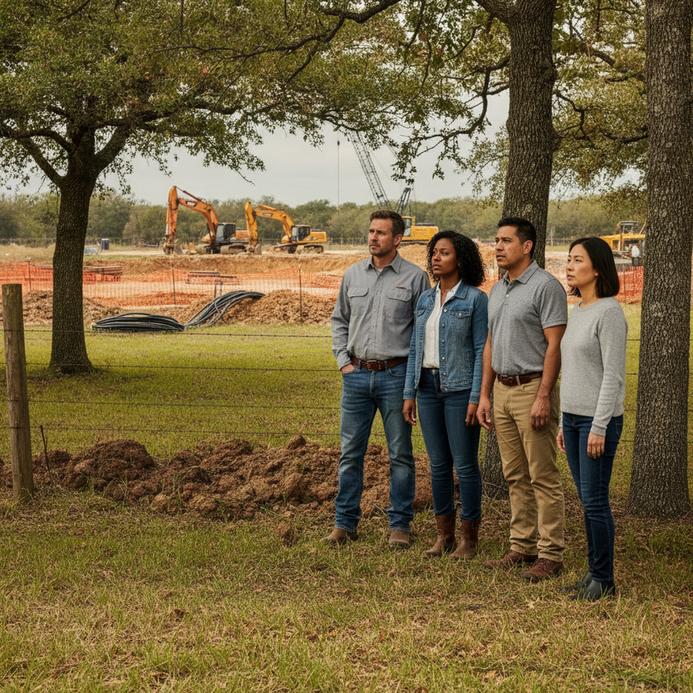
Inverse condemnation can occur in several situations, and they aren’t always obvious at first glance. Sometimes, the government doesn’t formally take your land but does something that has a big impact. Let’s look at some common examples that Texas landowners face:
- A new highway or road diverts water onto your property, causing flooding that never happened before.
- Construction dust, noise, or vibrations make your home or business uncomfortable or even unusable for long periods.
- Utility lines or pipelines are placed on your land without proper compensation, making parts of it hard to use or develop.
- The government blocks your access to a main road or changes traffic flow, making your land much less accessible.
- A city project reroutes stormwater, leaving your property prone to standing water or erosion.
- Government crews cut down trees or remove landscaping that provided privacy, shade, or wind protection, reducing your enjoyment and possibly your property value.
These changes don’t always involve someone taking title to your land. Instead, they reduce what your land is worth or how you can use it. In those cases, Texas law says you might have a right to compensation, even if no one offered to buy your land first.
What Makes It Different from Eminent Domain?
With eminent domain, the government tells you upfront that it needs your land for a project and pays you before taking it. The process is formal, with paperwork, appraisals, and usually a direct offer of compensation.
Inverse condemnation is the opposite. The government or a company acting for the government does something that damages your property, and you have to make the first move to get paid. You might not get advance warning. Instead, you notice the damage or loss after the project is started or even finished. The burden is on you to prove your case.
Your Rights as a Texas Landowner
It’s easy to feel powerless when a big project affects your land, but Texas law is clear: property owners have rights. Here’s what you should know if you think you’re dealing with Texas inverse condemnation.
You have the right to fair compensation if the government’s actions take away the value or use of your land. The Texas Constitution protects private property and requires payment anytime there’s a “taking”, even if it’s indirect. The tricky part is proving that a taking really happened, and that’s where things can get a bit technical.
You also have the right to bring your claim to court if the government or a utility company won’t resolve the issue. Texas courts have a long history of siding with landowners when there’s clear harm tied to a public project. You don’t have to accept a loss just because no one knocked on your door first.
What Counts as a “Taking”?
A taking doesn’t always mean someone builds right on your land. It can mean:
- Your land floods every time it rains because of a new drainage project upstream.
- Your business loses customers because a new road blocks the main entrance and makes it hard for people to visit.
- Constant noise, dust, or pollution from a major infrastructure project makes your home or land less useful or impossible to sell.
- A pipeline or power line cuts through your land, making it harder to build, farm, or use as before.
- A city project removes your only driveway or closes the only bridge to your property, making access impractical.
If the impact is permanent or serious enough to lower your property’s value, you may have a claim. Even temporary impacts can count if they last long enough or cause enough harm. Courts look at how direct the government’s action is, how long the harm lasts, and whether it leaves your property in a worse state than before.
How the Texas Inverse Condemnation Process Works
You might be wondering, what steps should you take if you think your property has been affected? Here’s how the process usually unfolds in Texas:
- You notice a problem, like flooding, blocked access, or significant damage after a government project starts or finishes nearby.
- You gather evidence. Take photos, keep notes, and save any official notices, letters, or emails you receive.
- You try to resolve the issue directly with the government agency or utility. This might involve phone calls, meetings, or sending a written complaint.
- If you can’t reach an agreement or the agency denies responsibility, you can file a lawsuit in state court for compensation.
Unlike the normal eminent domain process, you’re the one bringing the claim. That means you’ll need to show that the government action caused a real loss in value or use of your property. Many landowners also seek help from attorneys experienced in this area because the rules can be complex and the government often defends these cases vigorously.
What Evidence Should You Collect?
The more details you have, the better. Good evidence includes:
- Photos or videos of damage or changes to your property, before and after the project.
- Records of flooding, erosion, noise, or blocked access, with dates and descriptions.
- Maps or surveys showing how your land was before and after the government project, especially if boundaries or access points changed.
- Any communication with government agencies, including letters, emails, or notices about the project.
- Statements from neighbors or others who have seen the changes and can describe the before-and-after effect.
- Expert reports, such as appraisals, engineering studies, or environmental assessments, if available.
This information helps show not only that your land was harmed, but that the harm was caused by a specific government action. The more you can connect the dots between the project and the damage, the stronger your claim will be.
Common Mistakes and How to Avoid Them
Texas inverse condemnation cases can be tricky. Here are some common pitfalls, and how you can avoid them:
- Waiting too long. There are deadlines (called statutes of limitations) for bringing a claim. If you wait years to act, you might lose your chance. In Texas, you generally have two years from when the damage becomes obvious, but sooner is always better.
- Not documenting the damage. Relying on memory isn’t enough. Take photos, write down what happened, and save all paperwork. Even small details can be important later.
- Assuming you’re powerless. Many landowners think if the government didn’t offer to buy their land, they have no rights. That’s not true, if your property is harmed, you should look into your options.
- Accepting the first answer from the agency. Sometimes, officials may say there’s nothing they can do or that the damage isn’t their responsibility. You don’t have to stop there. Get a second opinion or talk to someone who understands Texas property law.
- Handling everything alone. These cases can involve legal and technical questions, about flooding, road design, or property value. Getting advice from a professional can make a big difference in your outcome.
If you’re unsure, it’s smart to learn more early on. You don’t need to be a legal expert, but gathering facts and acting quickly can make a big difference.
What Compensation Can You Expect?
If your Texas inverse condemnation claim is successful, you may be paid for the loss in property value or for repairs needed to restore your land. Sometimes, this also covers business losses if you run a company on the property. The amount depends on how serious and permanent the impact is.
Compensation is meant to make you whole again, at least as much as money can. For example, if your ranch loses access to a water source because of a new road, payment should reflect the drop in value and any extra costs you now face. If your retail store loses customer access and your sales drop for months or years, you can claim lost profits linked directly to the government’s action.
Texas courts look at several factors when deciding how much you should receive:
- The drop in fair market value of your property after the government project.
- The cost to fix damage, like repairing erosion or building a new driveway.
- Loss of business income, if you can prove the connection to the government’s action.
- Loss of use, such as not being able to farm, build, or develop your property as before.
- Any additional expenses you have to pay because of the damage, like extra insurance, moving costs, or temporary relocation.
Every case is different, and the exact amount can vary widely. In some cases, landowners receive tens of thousands of dollars. In others, especially with larger or commercial properties, compensation can be much higher.