Ever wondered what happens if someone wants to build a pipeline across your land? In Texas, property rights and pipeline corridors are big topics for landowners. Pipelines carry oil, gas, and other resources, but they can also raise lots of questions about who controls your property and what rights you have. This guide explains how property rights work when pipeline corridors are involved, what the law says, and what you can do to protect your land.
What Are Pipeline Corridors?
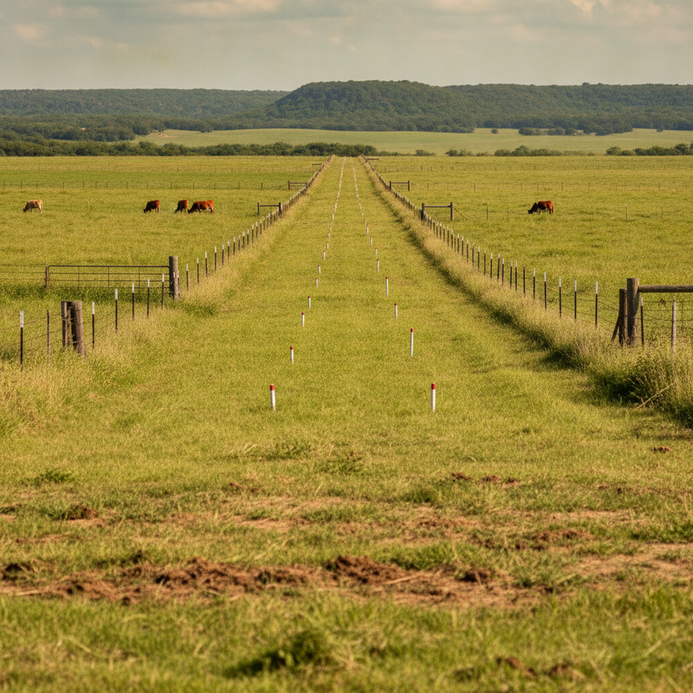
A pipeline corridor is a strip of land where a company installs and maintains buried pipes. These corridors can be just a few feet wide or stretch for miles across Texas, weaving through residential yards, farms, ranches, and wild open spaces. Pipeline companies need these corridors to safely move oil, gas, water, or other materials over long distances.
Think of a pipeline corridor as a highway under the ground. Just like a road, it needs to be kept clear and protected so everything flows smoothly and safely. That means there are rules about what can be built or planted on top. Sometimes, you’ll see a cleared path running through a pasture or a line of markers showing where the pipeline is buried. In some neighborhoods, you might not even realize a pipeline is there unless you see a sign or get notified by a company.
When a company wants to build a pipeline, they usually don’t buy the whole property. Instead, they look for an easement, this is a legal right to use part of your land for a specific purpose, like laying a pipeline. You keep owning your land, but the pipeline company gets the right to use a part of it, often forever. This is where understanding property rights in pipeline corridors becomes essential.
How Property Rights Work With Pipeline Corridors
Owning land in Texas means you have certain rights, but those rights aren’t unlimited. When it comes to pipeline corridors, your rights as a landowner can include:
- The right to negotiate easement terms.
- The right to get paid fair compensation if land is used.
- The right to keep using your land, as long as it doesn’t interfere with the pipeline.
But when a company claims it has the power of eminent domain (the government’s right to take private land for public use), the process gets more complicated. Pipeline companies in Texas sometimes get this power through state law, letting them force an easement if you don’t agree. It’s a stressful situation for any landowner.
What’s Typically Included in an Easement?
A pipeline easement agreement spells out:
- Where the pipeline will go.
- How much land will be used.
- What can and can’t be done in the corridor (like building, digging, or planting trees).
- How much you’ll be paid.
It’s important to read these agreements closely because they set the rules for years to come. Some easements are temporary (for construction), but most are permanent.
Let’s look at a practical example. Imagine you own a hay field. A pipeline company offers to run a line through the north edge, about 20 feet wide. The easement says you can keep cutting hay, but you can’t build a barn or dig a well in that strip. The company may need to drive trucks over the field during repairs, but they must fix ruts or damage afterward. If you agree, those rules could last for decades, possibly long after you sell the property.
Easement agreements often include special terms for things like:
- Access roads for maintenance vehicles
- Limits on planting deep-rooted trees (roots can damage pipes)
- Restoration of soil and vegetation after construction
- Timing of work to avoid harvest or calving seasons on farms
Every detail matters. If you’re not clear about what’s allowed, you could end up with surprise restrictions. That’s why many landowners ask for changes before signing.
The Eminent Domain Process for Pipeline Corridors
If you and the pipeline company can’t agree, the company can start the eminent domain process. Here’s how it usually works in Texas:
- The company makes a written offer for an easement.
- If you don’t accept, they send a final offer (with an appraisal).
- If you still don’t agree, they file a condemnation lawsuit.
- A panel of three local property owners (called special commissioners) decides what’s fair compensation.
- You can accept their decision or challenge it in court.
Let’s break down these steps with a real-world lens. When the first offer arrives, it might look official and urgent, but you don’t have to sign quickly. Many landowners use this time to ask questions, seek a second opinion, or even bring in an appraiser to check if the price is fair.
If you hold out, the company must give you a detailed final offer. This usually comes with a professional appraisal of your property. Sometimes, the numbers can be negotiated upward at this stage, especially if you have evidence the land is worth more than they say.
If there’s still no agreement, the company can file a lawsuit. This doesn’t mean you’re losing your land immediately. Instead, it triggers a hearing with special commissioners, local property owners who hear both sides and set what they think is fair payment for the easement. You’ll get a chance to present evidence, like photos of your land, expert opinions, or examples of other deals in your area. If you’re not satisfied with the commissioners’ decision, you can take the case to court, where a judge or jury could decide.
It’s a process designed to give you a voice, but it can feel overwhelming. Many Texans find it helpful to work with an attorney who understands condemnation and pipeline law.
Common Issues Landowners Face With Pipeline Corridors
Pipeline corridors can affect more than just the patch of land where the pipe is buried. Here are a few real-world concerns Texas landowners often mention:
Impact on Property Value and Use
Some people worry that having a pipeline lowers their property’s resale value. For example, a family selling a home with a visible pipeline corridor might discover that buyers are wary, or lenders ask more questions. Others wonder if they can still use the land for farming, grazing, or building. Usually, you can keep using the land, but there are limits. For example, you might not be able to build structures or dig deep holes over the pipeline. It’s smart to ask for these details in writing.
Sometimes, the presence of a pipeline can affect future plans. Maybe you hoped to divide the land for houses or build a pond. The easement could limit those options. That’s why it’s important to think long-term when reviewing any agreement.
Safety, Access, and Maintenance
Pipeline companies need to inspect and maintain their lines, which sometimes means workers on your property. They may need to cut brush, mow grass, or even dig up the pipeline for repairs. Most easement agreements say the company must give notice and return the land to its original condition, but it’s important to make sure this is clearly promised.
Safety is also a concern. Some landowners ask about the risk of leaks or explosions. While accidents are rare, they can happen. Pipeline operators must follow strict safety rules, but you have a right to know how emergencies will be handled. Many landowners request contact info for company representatives and ask for regular updates on inspections or repairs.
Livestock and Fencing
If you own rural land or run cattle, you care about fencing and livestock safety. Pipeline construction can disrupt fences, pastures, or water sources. Make sure any agreement spells out who fixes fences, how gates will be managed, and how livestock will be kept safe during and after construction.
For instance, if a crew cuts through a fence to lay pipe, who puts it back up? Will gates be locked after workers leave? What if cattle escape during work? These are details you can negotiate. Some landowners ask for written promises that any fence damage will be repaired to the same standard as before, or request that construction is timed to avoid calving or breeding season.
Environmental and Surface Concerns
Pipeline construction can cause erosion, disturb topsoil, or affect water drainage. In Texas, heavy rains can quickly turn a work site into a muddy mess. If you grow crops or manage wildlife habitat, you may want terms in your easement about restoring the land, reseeding grass, or controlling erosion after work is done. Some landowners also ask for limits on herbicide use or for topsoil to be separated and replaced carefully during digging.
How to Protect Your Property Rights With a Pipeline Corridor
You don’t have to accept the first offer or sign whatever’s put in front of you. Here are practical steps to protect your interests:
- Ask for a copy of the proposed easement and review it carefully.
- Get your own appraisal if you’re unsure about the offered compensation.
- Request changes to the agreement, like clearer promises on fencing, surface restoration, and access.
- Document all conversations and keep copies of everything you sign.
- Consider speaking with a legal expert who knows Texas eminent domain law for advice.
- Talk to neighbors who’ve dealt with pipelines. They may have tips or know what local companies typically agree to.
- Ask about insurance and liability if something goes wrong (like a spill or accident during construction).