Ever received a letter about a new power line crossing your Texas land? You’re not alone. ERCOT’s 765 kV transmission line projects are reshaping the landscape across Texas, especially in areas like the Permian Basin. If you’re a landowner facing the possibility of an easement or even the loss of part of your property, you need to know your rights. This guide covers what ERCOT transmission line eminent domain means for you, what to expect, and how to protect your interests every step of the way.
What Is Ercot Transmission Line Eminent Domain?
Eminent domain is the legal power that allows certain entities to take private land for public use, such as building roads or utility lines, while paying fair compensation. In Texas, ERCOT (the Electric Reliability Council of Texas) oversees the state’s electric grid and helps coordinate high-voltage transmission projects, like the 765 kV lines needed to support a growing energy demand. These projects can impact landowners all across the state, from Houston to the Permian Basin.
When ERCOT or its member utilities (such as Oncor or CenterPoint Energy) need land for a transmission line, they may use eminent domain to secure an easement. An easement is a legal right to use part of your land for a specific purpose, not ownership of the land itself. While the utility gets the right to build and maintain the transmission line, you keep ownership and some use of your property, though not without restrictions.
But how does this process work, and what can you do if you’re affected? The answer can shape your family’s future and your land’s long-term value.
The Texas 765 kV Transmission Line Landowner Experience
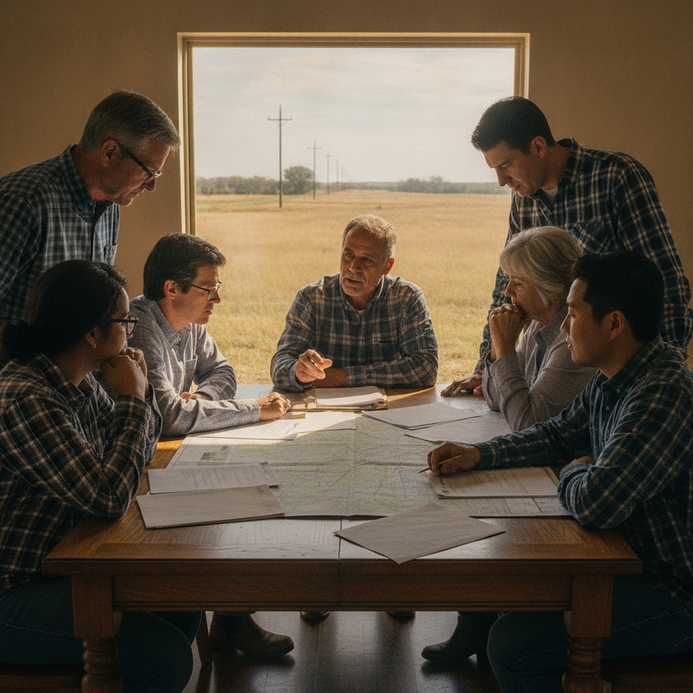
If you own property along a proposed ERCOT transmission route, you might first learn about the project through a notice letter or public meeting invitation. Texas law requires utilities to notify landowners early in the process and offer a chance to participate in public meetings about route selection. These meetings are your first opportunity to ask questions, raise concerns, and learn about what’s coming next.
During the routing phase, the Texas Public Utility Commission (PUC) reviews proposed routes and gathers public input. You have the right to submit comments, suggest alternative routes, and raise concerns about impacts on your home, crops, livestock, or business. For example, if you have a working cattle ranch, you can explain how a proposed route might disrupt grazing patterns or water access. If your property includes wetlands or wildlife habitats, you can ask the utility to consider adjustments to minimize harm.
Many landowners want to know if they can stop a line from crossing their property. While it’s rare to halt a major project entirely, your voice can influence where lines go and how they’re built. In some recent cases, landowners have convinced utilities to shift routes to avoid homes, wells, or sensitive areas. The earlier you get involved, the better your chances of making a difference.
Once a final route is approved, affected landowners receive a formal offer for an easement. This starts the negotiation phase, where details like the width of the easement, construction methods, access roads, and compensation are discussed. For a 765 kV line, easements can be especially wide, sometimes up to 200 feet or more. Utilities may also need temporary access for heavy equipment or staging areas, which should be clearly defined in your agreement.
If you can’t reach an agreement, the utility may file a condemnation lawsuit under Texas eminent domain law. This is when the process shifts from negotiation to a formal legal proceeding.
Key Rights of Texas Landowners in the Eminent Domain Process
Understanding your rights is the best way to protect your land and your investment. Here’s what you need to know if you’re facing ercot transmission line eminent domain action:
- You have the right to receive written notice before any eminent domain proceedings begin. This notice should explain why your land is needed and what part of your property is affected.
- You’re entitled to a bona fide offer for your property or easement. This means the offer must be made in good faith, based on a professional appraisal that considers both land value and damages.
- You have the right to negotiate. You don’t have to accept the first offer you receive, and you can counter with your own appraisal or evidence.
- If negotiations fail, you can present your case at a Special Commissioners’ hearing. The commissioners are local landowners (appointed by the court) who decide how much compensation you should receive. You can bring an attorney, an appraiser, or other experts to help make your case.
- You have the right to appeal the commissioners’ decision to a court if you disagree with their findings. At this stage, the issue often becomes more formal, with both sides presenting evidence and arguments before a judge or jury.
- You’re entitled to fair compensation for the value of the land taken and for any damages to your remaining property. Damages might include loss of access to parts of your land, decreased value from the presence of towers or lines, or impacts on farming, ranching, or residential use.
These rights apply whether you’re dealing with Oncor easement eminent domain in North Texas, CenterPoint Energy easement Houston cases, or any ERCOT-backed project statewide. Knowing your rights can help you negotiate better terms and avoid surprises later.
How Easements Affect Your Land: Practical Impacts and Common Concerns
A transmission line easement can have lasting effects on your property. Easements for 765 kV lines are often wide, sometimes hundreds of feet, meaning large swaths of land can be cleared for towers and access roads. What does this mean for you?
You might lose the ability to build certain structures under the lines. For example, you usually can’t build barns, homes, or tall sheds underneath the wires. Trees and tall vegetation are typically removed and kept clear for safety. This can change the look and use of your land. If you’re a rancher, you may have to reroute fencing or add gates so livestock can cross safely. Some landowners install special fencing or cattle guards to keep animals away from construction zones or maintenance crews.
Farmers may need to adjust irrigation lines, move farm roads, or change the way they plant and harvest crops. If you grow specialty crops or have organic certification, you might need to take extra steps to protect your operation during construction. Even residential owners may face new restrictions on landscaping, ponds, or future home additions.
The presence of high-voltage lines can also affect property value and how banks view your land for loans or refinancing. Some buyers are hesitant to purchase land with visible power lines, while others may not mind if the compensation was fair and the easement is well defined.
It’s important to read the easement document carefully. Details like access rights, construction schedules, maintenance responsibilities, and restoration obligations make a huge difference. For example, you might want the utility to restore topsoil or repair fences after construction. You can also negotiate for specific requirements, such as limiting work to certain times of year to avoid calving season or harvest.
Don’t be afraid to ask questions or request changes to protect your way of life. The easement agreement is a legal document, and you have a say in what goes into it. Some landowners even negotiate for additional payments if the line prevents certain uses or causes extra work.
The Condemnation and Compensation Process: What to Expect
If negotiations on an easement stall, the utility may turn to condemnation, a legal process where the court decides if the taking is allowed and what compensation is fair. Here’s a closer look at what happens:
- The utility files a petition in court, and you’ll receive official notice. This notice will include a legal description of the land or easement area.
- A hearing will be scheduled before Special Commissioners, who are local property owners appointed by the court. Both sides can present evidence, like appraisals, photos, or expert testimony about land value and damages.
- The commissioners decide on compensation, considering both the value of the land taken and any damages to the rest of your property. They may tour your property to see the impacts firsthand.
- If either side disagrees with the award, they can appeal to a judge or jury. The case then becomes more formal, and both sides can bring in additional witnesses or evidence.
Real-world example: In West Texas, landowners affected by the Permian Basin transmission plan easements reported compensation offers ranging from a few thousand dollars to hundreds of thousands, depending on acreage, land use, and market value. Some ranchers received extra payments for damaged fences or lost grazing, while others negotiated for new water lines or special construction methods to minimize disruption.
It pays to be informed and prepared. Work with an experienced attorney or land consultant if possible. They can help you understand what’s negotiable, gather evidence, and present your case in the strongest way.
Tips for Texas PUC Transmission Routing Landowners
If you’re involved in a Texas PUC transmission routing case, here are some practical tips to protect your interests:
- Stay organized. Keep every letter, offer, map, and notice you receive about the project. Take photos of your land before construction starts.
- Attend public meetings or submit written comments. Speaking up early can help shape the route or minimize impacts. Your neighbors may have similar concerns, and a united voice is harder to ignore.
- Get your own appraisal. Don’t rely solely on the utility’s valuation, it may not reflect your land’s true worth or potential damages. Independent appraisals often find higher values or overlooked impacts.