Introduction
If you own land in Texas, chances are you’ve heard about pipeline easements or maybe even faced one on your property. But what exactly is the environmental impact of pipeline easements? In this guide, we’ll break down how pipeline easements can affect your land, water, wildlife, and even your day-to-day life. You’ll learn what to expect, how to spot common environmental issues, and where to find more information if a pipeline project comes your way. Understanding these impacts can help you make better decisions and protect your property for years to come.
What Are Pipeline Easements and Why Do They Matter?
A pipeline easement gives a company the legal right to build and maintain a pipeline across private property. In Texas, these easements are especially common due to the state’s booming oil, gas, and utility industries. The land remains yours, but the easement grants the company specific rights and responsibilities. You might still farm, raise cattle, or use the land as you always have, but some activities will be restricted in the easement area. For example, you can’t plant trees with deep roots or build permanent structures above the pipeline.
Why do pipeline easements matter to you as a landowner? The process of granting an easement can bring big changes. Construction crews clear a corridor, dig trenches, and bring in heavy machinery. Even after the pipe is buried, the land above it is under special rules. There are regular inspections, restrictions on what you can plant or build, and sometimes even chemical treatments to control weeds. Each of these steps can have a lasting effect on the environment around your home or business.
How Pipeline Easements Change the Land
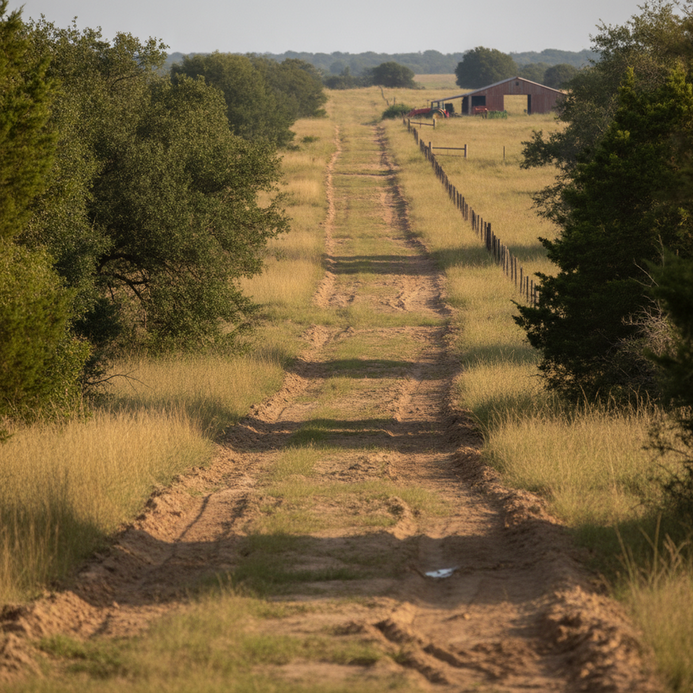
Let’s take a closer look at what you’ll see if a pipeline easement crosses your property.
First comes land clearing. Workers may remove mature trees, brush, and crops to create a path wide enough for the pipeline and the equipment. In Texas, this corridor is often 50 to 100 feet wide, depending on the pipeline’s size and type. Removing trees and vegetation leaves soil exposed and vulnerable. With fewer roots to anchor the soil, heavy Texas rains can quickly wash dirt into streams, ponds, or ditches, a process known as erosion. On hilly land, erosion can be severe, creating deep gullies and washing away valuable topsoil.
Next is soil compaction. Heavy trucks, excavators, and other machinery press the soil down, making it much denser. Compacted soil can struggle to absorb water, which may lead to puddles, flooding, or stunted plant growth. If you’re farming, compacted soil can reduce crop yields for years. Some pipeline companies try to minimize this by removing and storing topsoil separately, then replacing it after construction. But even with careful handling, the restored soil may be less fertile or have a different texture than before.
After construction, companies typically plant quick-growing grasses or groundcover to prevent erosion. Sometimes they use fast-growing but non-native species, which can outcompete native plants and change the look and feel of your land. It can take years or even decades for native plants, wildflowers, or old-growth trees to return, if they return at all. In rare cases, valuable native species or habitats can be lost permanently. For example, live oaks, native prairie grasses, or rare wildflowers may never fully recover if their root systems are removed.
In addition to obvious changes, there can be subtle long-term effects. For example, the corridor of cleared land may heat up more in the Texas sun and dry out faster, changing the microclimate for plants and animals nearby. The change in sunlight can spur the growth of invasive weeds or alter which plants thrive along the pipeline’s path.
Water Quality and Wetlands: What’s at Risk?
Pipelines often cross creeks, ponds, or even wetlands, each of which plays a crucial role in the Texas landscape. Construction near or through these areas can raise special environmental risks.
If a pipeline crosses a creek or river, soil and sediment from digging can wash into the water, muddying it and harming fish or aquatic plants. There’s also the risk of chemical spills, fuel, lubricants, or even herbicides used by the construction crew. Even careful companies can have accidents, and cleaning up water pollution is often difficult and expensive.
Wetlands, which are low-lying areas that stay wet for at least part of the year, are especially important. They act like natural sponges, soaking up rainwater, filtering out pollution, and releasing clean water slowly into streams and rivers. When a pipeline cuts through or nearby, it can drain the wetland or change how water moves across the land. This not only harms the plants and animals living there, but it can also affect water quality for everyone downstream, including wells and municipal water supplies.
Losing or damaging wetlands can also make flooding worse after heavy rains. Without these natural sponges, water runs off more quickly, overwhelming creeks and low-lying fields. In Texas, where flash floods are already a risk, preserving wetlands is especially important.
Laws at both the state and federal level require companies to get permits before disturbing wetlands or waterways. For example, they may need to create new wetlands somewhere else to make up for those lost during construction (this is called mitigation). However, enforcement varies by project, and some damage may not show up until years later. Landowners should pay close attention to proposed pipeline routes and ask how wetlands, ponds, or streams will be protected.
Wildlife and Habitat Disruption
Ever wondered what happens to wildlife when a pipeline comes through? Texas is home to a wide variety of animals, from deer and bobcats to rare songbirds and reptiles. Most need space to roam, nest, and find food. A cleared pipeline corridor creates a long, open strip across what was once continuous habitat. Some animals avoid these open spaces because of predators or lack of cover. Others may be attracted to the new growth or easier travel, but this can upset established patterns.
Habitat fragmentation is a big concern. When a pipeline cuts through forests, grasslands, or brush, it breaks up large habitats into smaller patches. Some Texas species, like the northern bobwhite quail or the Texas horned lizard, struggle when their habitat is divided. For wide-ranging animals like deer, these corridors may alter migration routes, making it harder to find water, shelter, or mates.
Access roads built for pipeline maintenance can also disrupt wildlife. Roads can become barriers, especially for small animals, leading to more deaths from vehicles or easier access for predators. Fencing around the pipeline easement can block animal movement or limit access to important resources, such as water holes or shade trees.
Sometimes, companies promise to restore habitat by replanting native grasses, wildflowers, or even shrubs and trees. However, restoration is rarely a perfect replacement for what was lost. Invasive weeds may take over, or the new plants may not provide the same food or cover as old growth. If you care about wildlife, be sure to ask for specific, written commitments on habitat restoration. Ask if the company has worked with local conservation groups or wildlife experts, and request a plan for monitoring the success of any restoration work.
Long-Term Effects: Maintenance and Monitoring
The environmental impact of pipeline easements doesn’t stop when construction is done. Once the pipeline is in the ground, companies have to maintain it for decades. This usually means regular mowing to keep the corridor clear, spraying herbicides to control weeds, and sometimes digging up sections to inspect or repair the pipe.
Mowing reduces the chances of trees returning, which can keep the land looking more like a lawn than a natural habitat. For properties that once supported prairie, brush, or forest, this can be a big change. Herbicides, if used, may prevent the return of native plants and can drift into nearby fields, gardens, or waterways. Rain can carry these chemicals into streams or ponds, affecting water quality and aquatic life.
Some companies offer to notify landowners before doing maintenance or spraying chemicals, but the details matter. It’s important to ask for clear information about what will happen, how often, and what types of chemicals (if any) will be used. Having these details in writing gives you more leverage if problems arise.
Pipelines are also subject to regular inspections, sometimes by foot, sometimes by drone or helicopter. These inspections can mean additional disturbances, especially if vehicles or equipment cross your property. If you have livestock, farming operations, or sensitive habitats, make sure the agreement spells out how and when the company can access the easement.
Over time, neglect or poor maintenance can lead to further environmental issues. For example, a leaking pipeline can contaminate soil or groundwater, sometimes for miles. Regular but responsible maintenance is critical to preventing these kinds of problems, so don’t hesitate to ask questions or report concerns if you notice anything unusual along the easement.
Special Concerns for Texas Landowners
Texas landowners often use their property for more than just living, they farm, ranch, hunt, or enjoy the outdoors. Each of these uses can be affected by a pipeline easement.
If you graze cattle or other livestock, the cleared corridor might change how and where animals move. Some may avoid open strips, while others find new weeds or grasses to eat, sometimes with mixed results. Fences or gates installed for pipeline safety can make it harder to rotate livestock or reach water sources. If you’re a crop farmer, soil disturbance and compaction can reduce yields for several years, especially for crops that need deep, healthy soil.