What Are Easements and Why Do They Matter?
Easements are special legal rights that let someone use part of your property for a specific purpose, even though you still own the land. In Texas, easement laws affect more property owners than you might realize. Ever noticed utility poles, pipelines, or shared driveways that cut across several yards? Those are classic easement situations you might see in your own neighborhood or out on a ranch.
Understanding easement laws in Texas is important because they can impact how you use your land, what you can build, and even your property’s value. If you’re not careful, an easement could limit future plans or spark disagreements with neighbors or utility companies. In this guide, you’ll learn what easements are, the different types you might encounter, how they’re created, what your rights are as a property owner, and what to do if an easement is causing problems or confusion.
Common Types of Easements in Texas
Texas property owners may come across several types of easements. Each carries its own rules, real-world effects, and challenges. If you own land or are thinking about buying, it’s worth knowing the main types you might see so you can spot them, and manage them, before they cause trouble.
Utility Easements
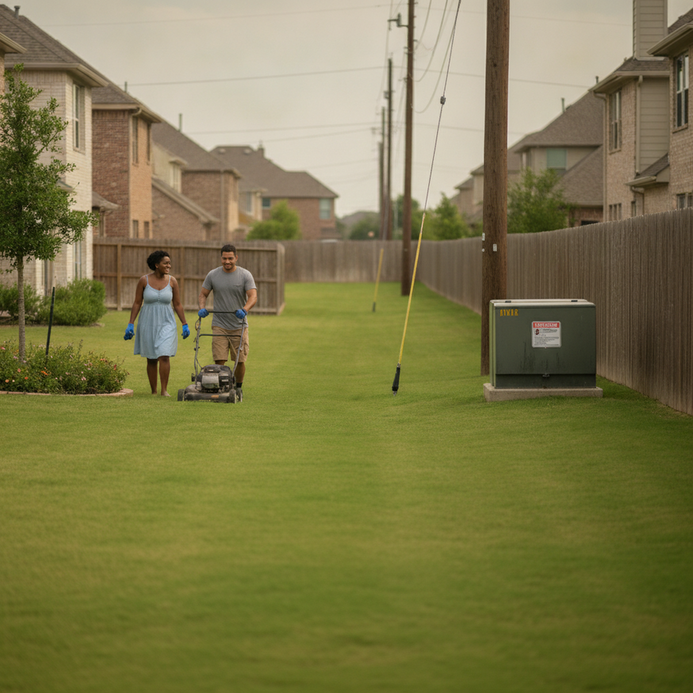
These allow companies to run things like water pipes, electric lines, cable wires, or sewer systems across your property. Utility easements are common in both cities and rural areas. For example, the wide strip of grass behind many city homes is often a utility easement hiding buried cables or pipes. In rural Texas, you might see towering transmission lines stretching over fields. Usually, you can’t block these companies from accessing the area covered by the easement if they need to fix or maintain their equipment. That means you can’t plant large trees, put up permanent buildings, or even install a pool without checking first.
Access Easements (Right-of-Way)
Sometimes, a neighbor’s property doesn’t connect to a public road. An access easement lets them cross your land to reach their home or business. This is often called a right-of-way. In rural Texas, these are common for ranches or farms separated by fences or fields. For example, if your land sits between a county road and an isolated neighbor, that neighbor may have a legal right to drive through a strip of your land to reach their house. These easements can be narrow, just enough for a driveway, or wide enough for trucks or farm equipment.
Drainage and Irrigation Easements
These easements let water flow across properties (through ditches or pipes) or allow irrigation channels to be built and maintained. If you own farmland or large acreage, you might encounter these to help manage stormwater or supply crops. For instance, cities sometimes require drainage easements to make sure runoff flows safely away from homes during heavy Texas storms. If your property has natural creeks or man-made ditches, a drainage easement might prevent you from filling them in or blocking water flow.
Conservation Easements
Less common than the others, conservation easements restrict land use to protect natural features like wildlife habitats, forests, or water sources. They’re sometimes used to keep land undeveloped. For example, a landowner might donate a conservation easement to a nonprofit group to preserve a prairie, even after selling the land. These easements are legally binding and can last forever, so it’s important to understand their long-term impact. Sometimes, they can reduce property taxes or qualify you for other benefits.
Prescriptive Easements
A prescriptive easement develops when someone has used part of your property openly and continuously for a certain period (often 10 years in Texas) without your permission, but you never stopped them. Over time, they can gain the legal right to keep using it. For example, if a neighbor drives down a dirt path across your land every day for 10 years and you never object, they might eventually gain a prescriptive easement to keep using that path.
How Are Easements Created in Texas?
There are a few different ways easements come into existence. Knowing the process helps you spot potential issues and protect your interests, whether you’re buying, selling, or managing property.
By Agreement
Most easements are created by written agreement between property owners. For example, if you and your neighbor agree to share a driveway, you can sign a document describing the arrangement. These agreements are usually filed with the county clerk so future buyers know about them. Having the details in writing avoids confusion later about who can use what and who’s responsible for maintenance. Some agreements set limits, like how wide the easement is or when it can be used.
By Deed or Plat
Easements can be written right into a property deed or shown on a subdivision map, called a plat. When you buy land, check these documents to see if any easements already exist. For instance, a new housing development might have utility easements built in, or a rural property might include an access easement for a neighbor. Survey maps often show these, so always ask for a recent survey before closing on a purchase.
By Necessity
If a property is landlocked (has no access to a public road), Texas law can grant an “easement by necessity.” This means the landlocked owner can cross neighboring land to get to their property, even without a written agreement. These are usually court-ordered and only last as long as the need exists. For example, if another road is built that gives access, the easement by necessity might end.
By Prescription
If someone uses part of your land for a long time without permission and you don’t object, they might eventually gain an easement through “prescription.” In Texas, this usually requires at least 10 years of continuous, obvious use. The use must be open (not hidden), actual (not just a claim), and without the owner’s permission. If you notice someone using your land, it’s important to speak up quickly.
Property Owner Rights and Responsibilities
Learning about easement laws in Texas helps you protect your interests as a property owner. Here’s what you need to know about your rights and what you’re responsible for. Both sides, landowners and easement holders, have clear roles.
Your Rights
You still own your land, even if there’s an easement. You can keep using your property as long as you don’t interfere with the easement’s purpose. For example, you can’t build a shed in the middle of a utility easement if it blocks workers from fixing a power line, but you can usually mow the grass or plant flowers. If you need to make improvements near an easement, check the agreement or contact the easement holder to avoid trouble.
You also have a right to be notified if someone wants to create a new easement on your property. Most new easements require your written agreement (unless it’s an easement by necessity or prescription). For formal agreements, you can negotiate terms, like limits on access hours or who’s responsible for repairs.
If an easement holder (like a utility company) damages your land while doing work, you may have a right to compensation for repairs. For instance, if a pipeline crew tears up your driveway, the company is usually required to restore it to its original condition or pay for repairs. Always keep records and take photos if there’s damage.
Your Responsibilities
You can’t block or destroy the easement’s intended use. For instance, you can’t put up a fence that stops a neighbor from reaching their access easement. If you do, you may have to remove the obstacle at your own expense. You should also avoid storing heavy equipment or building permanent structures in easement areas.
You’re responsible for maintaining your own land, but the easement holder is generally responsible for repairs or maintenance related to their use. For example, if a pipeline company has an easement, they fix the pipeline, not you. However, if your actions cause damage (like digging into a buried utility line), you could be responsible for the repair costs.
It’s also a good idea to let easement holders know about any planned construction or landscaping near an easement, so you don’t accidentally disrupt their access.
How Easements Can Affect Property Value and Use
Easements can influence what you can do with your property and how much it’s worth. Here’s how:
If there’s a big utility easement running through your land, you might not be able to build on that spot. This can limit home expansions, new barns, or even adding a pool. For example, a wide pipeline easement might cut across a pasture, making it hard to build a barn where you want. In cities, a narrow utility easement could prevent you from widening your driveway or planting large trees in your backyard. In some cases, a visible or heavily used easement can make your property less attractive to buyers, which might lower the price you can get if you sell.
Not all easements are bad news. Some, like access easements, can make land more valuable if it means you finally have legal access to a road. If you buy a property that’s technically landlocked, having a legal right-of-way easement can make it buildable and much easier to sell in the future. Conservation easements might let you keep your land in its natural state and sometimes even come with tax benefits, especially if you work with a land trust or conservation group. However, these benefits usually come with restrictions, so talk to a professional before making decisions based on potential tax breaks.