Ever wondered what the real difference is between an easement and eminent domain rights? If you own property in Texas, whether it’s a home, ranch, or investment land, knowing how these two legal concepts work can save you confusion and headaches. In this guide, we’ll break down easement vs eminent domain rights in plain language, show you where the lines are drawn, and explain what property owners like you need to watch out for.
What Is an Easement?
An easement is a legal right that lets someone use part of your land for a specific purpose, even though you still own the property. Easements are common in Texas. Think about power lines running across a corner of your field or a neighbor using your driveway to reach their own house. In both cases, you keep the title to the land, but others have a limited right to use it.
Easements can be created in several ways. Sometimes, they’re written into the deed when you buy the property. Other times, they can be granted by agreement or even ordered by a court. The most common types of easements in Texas include access (right-of-way), utility, drainage, and conservation easements.
The main thing to remember is that an easement doesn’t mean you’ve sold your land. Instead, you’ve agreed to let someone else use it for a specific reason, usually with some limits. Most easements last forever unless both sides agree to end them or there’s a legal reason to remove them.
What Is Eminent Domain?
Eminent domain is the government’s power to take private property for public use. In Texas, this usually means the state, a city, or even a private company (like a utility) can force the sale of land if it’s needed for a project that benefits the public, think highways, pipelines, schools, or power lines. Unlike an easement, eminent domain usually results in you losing ownership of all or part of your property.
To use eminent domain, the government or company must follow a legal process called condemnation. They have to prove the project truly serves a public use and must pay you “just compensation” based on the fair market value of what’s taken. If you disagree with their offer or the need for the project, Texas law gives you a chance to challenge it in court.
Eminent domain can involve taking an entire parcel of land or just a portion. Sometimes, the result is a permanent loss of ownership. Other times, it might lead to a temporary easement or right of entry for construction. But the key point is that eminent domain always involves government power and isn’t a private negotiation.
Easement Vs Eminent Domain Rights: Key Differences
Understanding easement vs eminent domain rights starts with a simple question: Is someone asking for permission, or are they forcing a change? Here’s how they stack up.
Ownership and Control
With an easement, you stay the owner. You still pay taxes, use the land (as long as you don’t block the easement), and can even sell or pass down your property. The easement holder just gets a limited right, like running a water line or crossing the land.
With eminent domain, you may lose ownership of all or part of the land. The government or company takes control, and you can’t say no if the law is followed. You might get a new property line, or your land could be gone entirely.
How They Happen
Easements are usually agreed upon. You can negotiate terms, where the utility line goes, when work happens, what gets restored, and even payment. Sometimes, though, easements are imposed by law or court order, especially if there’s a long history of use.
Eminent domain is almost always forced. The government notifies you, makes an offer, and follows a legal process. You can try to negotiate or fight it, but if the project meets legal standards, you can’t refuse.
Payment and Compensation
For easements, money is sometimes involved, sometimes not. A utility might pay for a new transmission line, but older easements may have been granted for free or as part of a land sale. The payment is usually for the loss of use or inconvenience, not for the land itself.
In eminent domain, payment is required by law. The amount should reflect the fair market value of what’s taken, including the land, buildings, crops, and even lost business in some cases.
Impact on Property Use
Easements can restrict what you build or plant in the easement area, but you can often use the rest of your land as before. You need to be careful not to block access or damage what the easement covers.
Eminent domain can be much more disruptive. You could lose a home, barn, or pasture. Even taking a strip of land for a road can affect how you use what’s left, change access, or lower your property’s value.
Common Examples in Texas
To make things clearer, let’s look at some real-world examples where easement vs eminent domain rights come into play.
A power company wants to run a new line across your ranch. They ask for a utility easement, offer a one-time payment, and explain the limits. You agree, and the line goes up, but you keep the land and can still graze cattle nearby.
Now imagine TxDOT needs land for a highway expansion. They send you a notice, offer compensation, and say they’ll take a 30-foot strip along your fence. You don’t want to sell, but after the condemnation process, they get the land, build the road, and you lose ownership of that part forever.
Or, let’s say a neighbor’s property has no direct road access. They ask for an access easement across your driveway. You negotiate when and how they can use it. You still own the driveway, but they have a permanent right to use it for access.
Sometimes, a pipeline company wants both: a permanent easement for the pipeline and a temporary right to enter your land during construction. They’ll need to pay for both, and the terms are spelled out in writing.
Legal Protections for Texas Property Owners
If you’re facing either an easement request or an eminent domain notice, Texas law gives you certain rights and protections. It’s important to know what these are so you don’t end up with a bad deal or give up more than you must.
For easements, you can negotiate the location, size, payment, and even what happens if the easement is no longer needed. Always get terms in writing. If someone claims they have a right to an easement but you disagree, you can ask a court to decide.
For eminent domain, agencies must give you written notice, an appraisal, and a fair offer. You have the right to a hearing and, if you don’t agree with the compensation or the need for the project, you can challenge it. Some landowners have successfully argued for more money or even stopped a project if the rules weren’t followed.
One thing to watch for is “public use” versus “private benefit.” In Texas, the law is strict about when eminent domain can be used. The project must truly serve the public, not just help a private developer or company.
Protecting Your Land: What to Do If You Get a Notice
If you get a letter about a new easement or an eminent domain action, don’t panic. Here’s what you should do next:
- Read the notice carefully. Make sure you understand what’s being asked.
- Don’t sign anything right away. It’s common to feel pressured, but you have time to review options.
- Ask questions and request everything in writing. What will the easement or taking involve? How long will it last? What will you be paid?
- Get your own appraisal if needed, especially for eminent domain cases.
- If you’re unsure or the situation seems complicated, consider consulting with a Texas property rights expert or attorney.
Taking these steps helps you avoid surprises and makes sure you’re treated fairly under the law.
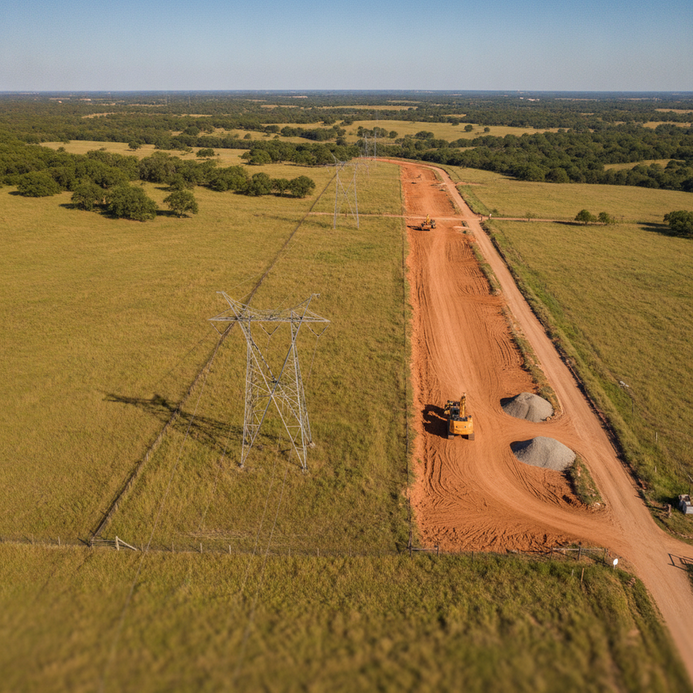
[Inline Image Placeholder: Aerial view of a Texas property with both a utility easement (visible power lines) and a road expansion project showing cleared land for eminent domain, sunny skies, realistic, clear property boundaries.]
Conclusion
Understanding easement vs eminent domain rights is key for every Texas property owner. Easements let others use your land for a specific reason, but you stay in control. Eminent domain can take your land away for public projects, but the law says you must be paid fairly. If you ever get a notice about either, pause and learn your rights. Contact us to learn more.