If you own property in Texas, you’ve probably seen headlines or heard neighbors talking about new pipeline routes. Every year, major oil and gas companies announce projects that cross fields, ranches, and even backyards. It’s normal to feel anxious or overwhelmed when you hear the words “eminent domain.” But you’re not powerless. The decisions you make now can have a big impact on your land, your business, and your family’s future.
The good news? There are practical steps you can take to protect your property if a Texas pipeline company wants access. Let’s walk through the top five strategies to help you prepare, respond, and get the best possible result if you’re facing an upcoming eminent domain action.
1. Understand the Texas Eminent Domain Process
Eminent domain means the government or, in some cases, a private company (like a pipeline operator), can take private land for certain projects considered “public use.” In Texas, this often means pipelines for oil, gas, or water. But the law requires a specific process, and you have rights every step of the way.
It usually starts with a notice, often a letter or official document, from the company or their lawyer. This will describe the project and explain which part of your property is affected. After the notice, the company must make a written offer to buy or use your land. They’re required to give you a copy of the Texas Landowner’s Bill of Rights, too. If you don’t accept their offer, you enter a negotiation phase. Only if you and the company can’t reach a deal will they file a lawsuit to “condemn” your land in court.
During this whole process, you have the right to:
- Ask questions and get information about the project and your property.
- Get your own appraisal of the land’s value.
- Negotiate the price and the terms of the agreement.
- Contest the company’s right to take your land, though this is difficult in some cases.
You also have deadlines to respond, so it’s important to pay attention to any paperwork you receive. Missing a deadline can limit your options. If you’re not sure about something, don’t hesitate to ask for clarification. The more you know about each stage, the better you can protect yourself.
2. Review Recent and Upcoming Texas Pipeline Projects
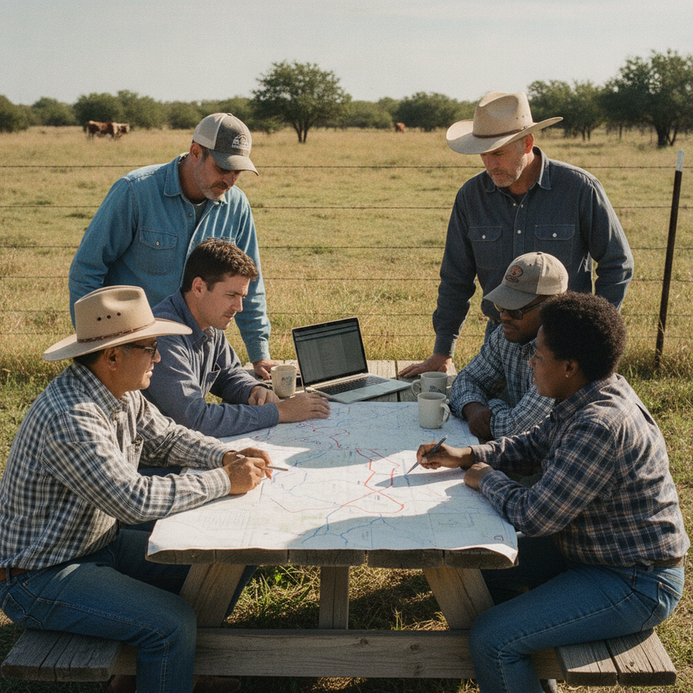
Staying informed is one of the best ways to avoid surprises. Each year, new Texas pipeline projects are announced, with many targeting the Permian Basin in West Texas, East Texas, and areas near major highways. Some projects are massive, stretching hundreds of miles and affecting thousands of landowners. Others are smaller but can still have a huge impact on your daily life.
You don’t have to be caught off guard. Here are a few ways you can track what’s coming:
- Check the Texas Railroad Commission website for public notices, maps, and updates on gas and oil pipeline projects for 2024 and beyond.
- Watch local news outlets, especially in rural counties and agricultural areas, for reports on upcoming eminent domain actions.
- Talk to your neighbors, local farmers, or ranchers. Word often spreads quickly if survey crews have been spotted or if a land agent has visited nearby properties.
- Visit your county courthouse or appraisal district office. They sometimes have maps or filings related to large infrastructure projects.
Knowing the details puts you in a stronger position. For example, if you learn a neighbor just reached a deal with the same company, you might be able to compare notes or even share information about the terms they secured. Understanding which company is behind the project, their track record on land restoration, and how they’ve treated other landowners can help you decide how to respond.
3. Get an Independent Property Valuation
When a pipeline company makes an offer for a piece of your land, remember: their job is to keep costs low. Their first offer may not reflect the real value of what you’re giving up, especially if it’s just based on generic land values, not your unique situation.
That’s why it’s smart to hire your own appraiser. Look for someone with experience in Texas rural land, not just residential properties. You want an expert who understands how pipeline easements affect farming, ranching, water rights, and even hunting leases or future development.
An independent appraisal should look at:
- The fair market value of the part of your land being taken.
- Damages to the rest of your property, for example, if the pipeline splits a pasture in two or makes access to your barn harder.
- The effect on future plans, like building a home, expanding crops, or selling the property.
For example, if you raise cattle and the pipeline crosses your main grazing area, you could lose valuable pasture or need to pay for new fencing or water lines. If there’s a pond, creek, or irrigation feature affected by construction, those losses should be calculated, too. Sometimes, the presence of a pipeline permanently lowers the value of your land, making it harder to sell or lease in the future.
When you have a solid, independent valuation, you’ll know what’s fair and have evidence to back up your position. This appraisal can be used in negotiations, and it’s crucial if your case ends up in court.
4. Document How the Pipeline Will Affect Your Land
No two properties are exactly alike. Even neighbors can face very different impacts from the same pipeline project. That’s why it’s so important to carefully document how the proposed route will affect your specific land and lifestyle.
Start by walking the route with a survey map if you can get one. Take clear photos and videos of all the features in the path: fences, gates, buildings, trees, wells, ponds, or irrigation systems. Make notes about how you use each part of the property, for example, if you move cattle through a certain gate each spring, or if a field is especially productive for hay.
Ask yourself:
- Will construction equipment block driveways or access roads?
- Will they need to cut down trees that provide shade or windbreaks for livestock?
- Could the pipeline make it harder to irrigate crops or access water sources?
- Will it affect existing drainage patterns and cause flooding or erosion?
- Are there endangered plants, wildlife habitat, or historic sites on your land?
Keep a notebook with dates, details, and anything you notice as the project develops. If construction crews enter your property early or damage something, take photos right away. This kind of documentation can be the difference between getting full compensation and being left to pay for repairs yourself.
For example, some landowners have used photos and written logs to show how pipeline construction blocked a main entrance, resulting in lost business or livestock stress. Others have proven that deep trenching changed drainage and led to flooding in the next heavy rain. The more detailed your records, the stronger your case for extra compensation or restoration.
5. Negotiate Beyond the Initial Offer
The first offer you receive from a pipeline company is rarely the best you can do. Texas law gives you the right to negotiate, not just on price, but on all sorts of details that can protect your land for years to come.
Many landowners don’t realize you can negotiate:
- The width and location of the easement (sometimes it can be shifted to avoid key features).
- How and when the company must restore the land after construction (such as reseeding pastures, replacing topsoil, or rebuilding fences).
- Limits on what the company can do in the easement, like restricting above-ground valves or equipment.
- Requirements for signs, gates, or livestock crossings to keep your operation running smoothly.
- Payments for each future pipeline, not just a single fee for all possible lines in the future.
- Access terms, so company trucks don’t disrupt your farm or ranch during busy seasons.
- Who is responsible for future repairs if the pipeline leaks or causes damage.
Negotiating these terms isn’t just about money. For example, if you specify that the company must install gates suitable for moving large equipment, you’re saving yourself headaches for years down the road. Or if you require the land to be restored to its original grade, you may avoid drainage or erosion problems in the future.
Look for examples of negotiated terms from other landowners in your area. Some Texas counties keep public records of previous pipeline agreements. Local extension offices or landowner associations can also be a big help, sharing what’s worked in the past and what mistakes to avoid.
If you’re unsure what’s possible, remember: you don’t have to accept the first deal you’re offered. Companies expect to negotiate, and standing your ground can lead to a much better outcome.
When to Seek Professional Help
The Texas eminent domain process can move quickly, and the paperwork can be confusing. If you feel overwhelmed or pressured, it’s smart to reach out for help. Many landowners choose to hire an attorney who specializes in eminent domain law, especially if:
- The company’s offer seems low or unfair.
- The easement terms would seriously disrupt your farm, ranch, or business.
- You’re being threatened with a lawsuit or condemnation action.
- You aren’t sure what your rights are, or what’s standard in your area.
A good lawyer can explain the process, help you understand your options, and negotiate on your behalf. Some work on a contingency basis, meaning you only pay if they help you get a better offer. Even if you don’t hire a lawyer, consider talking to local experts, agricultural extension agents, or neighbors who have dealt with pipelines before. Their experience can help you avoid common mistakes and spot red flags.